








Gentle Spiritual Healing Services
Reiki Healing: What It Is, Symbols, Practitioners, and Crystal Support
Reiki Healing is a gentle spiritual practice that helps you relax, breathe deeply, and find inner peace. Many people turn to this quiet method when daily life feels busy, heavy, or tiring. It gives you a calm space to rest your thoughts and refresh your feelings.
On this page, you will learn What is Reiki, how everyday sessions work, what sacred Reiki Symbols mean, how to choose good help when searching for Reiki Near Me, and how Crystal Reiki Healing brings peaceful focus. Everything is explained in clear, simple words so you can make wise choices for your wellness.
Slow down your busy mind and enjoy quiet time to recharge your natural energy.
Stay fully dressed while hands rest gently on or slightly above your body.
Enjoy sessions in person or from home through distance spiritual prayer.
Table of Contents
Uplifting Benefits of Reiki Healing
Mind and Emotion Balancing: Life can get noisy and stressful. This gentle practice gives you a quiet break in your day. Many people use it to sit quietly, let go of worry, and feel steady inside during ordinary life pressures.
Spiritual Growth and Inner Peace: Most traditions connect this work with feeling thankful and kind. That makes your session feel like a peaceful reset rather than hard work.
Comfort During Hard Times: People often try sessions when feeling sad, overwhelmed, or tired. Sitting in a peaceful room helps you breathe slowly and feel soft, caring comfort.
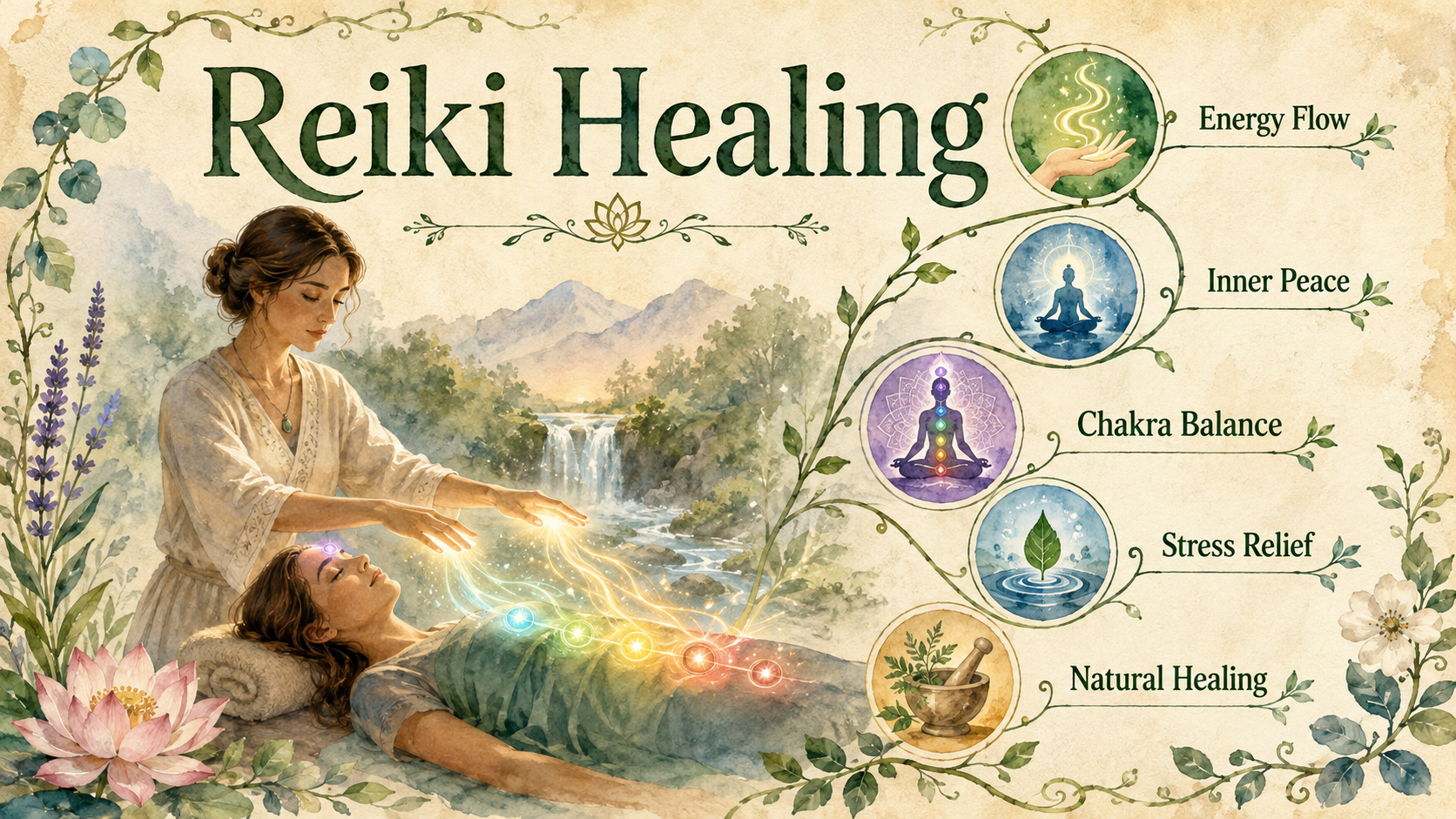
Comfort for Everyday Living: Most people say a session feels like a warm, restful nap. According to the National Center for Complementary and Integrative Health (NCCIH), practitioners place their hands lightly on or just above the body to help you unwind. Gentle hand positions help soothe stress and bring peaceful balance.
What Is Reiki Healing and Where Did It Start?
If you ask What is Reiki, it is simply a Japanese wellness method that helps balance life energy. Respected medical centers like the Cleveland Clinic share that people often feel deeply calmed and refreshed during a session, while always keeping regular doctor visits first.
A teacher named Mikao Usui helped develop modern Reiki in Japan in the early 1900s. Over the years, teachers shared it across the world. You stay completely dressed during the session. The practitioner places their hands gently on specific spots, like your head, shoulders, and back, or keeps them an inch above you.
You do not need to follow any single religion to try it. People from all paths enjoy it as a quiet spiritual habit to ease stress and feel happy inside. What is Reiki: An easy path of gentle touch, deep rest, and peaceful living.
Reiki Levels and Simple Learning Steps
Anyone who wants to learn can take simple classes. Traditional learning is taught in three easy steps:
| Learning Step | What You Learn | Simple Goal |
|---|---|---|
| Reiki 1 (First Degree) | Basic hand spots and practicing on yourself | Build a quiet daily self-care habit |
| Reiki 2 (Second Degree) | Sacred teaching symbols and distance prayers | Deepen your focus and send good thoughts |
| Reiki Master | Advanced traditions and teaching others | Grow wisdom, responsibility, and care |
Reiki Symbols and Their Sacred Meaning
Reiki Symbols are sacred teaching tools taught in advanced classes. Practitioners use them like mindful reminders to help direct pure thoughts, focus, and peace.
Teachers introduce these symbols during second-level classes rather than on day one. This gives students plenty of time to learn basic hand positions, kind listening, and respectful habits first.
People often ask if these symbols work like magic buttons. In simple truth, they are holy spiritual tools. They help the practitioner focus their prayerful mind on harmony, strength, and calm.
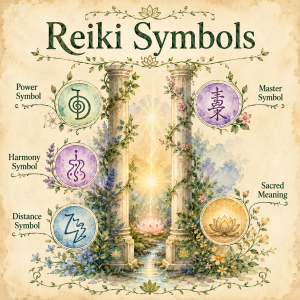 Sacred symbols help practitioners focus on peace, harmony, and balance.
Synergizing Energy: Crystal Reiki Healing Support
Crystal Reiki Healing brings together gentle touch and clean, beautiful natural stones. In our spiritual work, we use crystals as visual reminders of peace, pure light, and good thoughts.
Clear Focus and Beauty: Resting near soothing stones helps many people focus their thoughts during a session. The colorful stones create a warm, sacred mood that makes relaxing easy.
Complete Daily Balance: Combining crystal symbols with peaceful touch creates a sweet reset for your mood. You can also explore our Divine Energy Healing to see how distance prayer clears heavy emotional clutter.
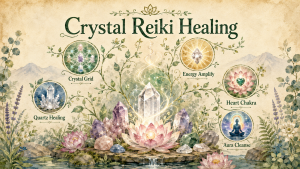 Natural stones and gentle touch work together for soothing comfort.
Reiki Near Me: How to Choose a Good Practitioner
When people search online for Reiki Near Me, they often look only at how close an office is on a map. But finding someone kind, honest, and properly trained is much more important than short travel distance.
During a visit, you might feel a pleasant warmth, a gentle tingling, or deep sleepiness. Everyone feels things in their own personal way, and some people simply feel very calm.
Always check the healer’s reviews, fees, and training. A good, grounded healer answers your questions politely and never asks you to stop taking doctor-prescribed medicine.
 Finding the right healer means looking for good training, reviews, and respect.
Connecting with Ethical Reiki Healers Worldwide
Many people now look for experienced Reiki healers across the globe. Thanks to the internet and phones, you can find the right teacher or healer without leaving your house.
When speaking with any healer, ask simple questions. Where did they learn? How do they run their sessions? Do they treat energy work as a helpful wellness support alongside normal healthcare?
If you want a broader look into what is causing stress in your life, you can also explore our DNA Voice Scanning to learn about hidden family and energy patterns over a private phone call.
Research and Evidence on Reiki Healing
Medical scientists have studied gentle touch to see how it helps people relax. The national agency NCCIH reports that while energy healing does not cure medical diseases, studies show it is completely safe and free from harmful side effects.
A scientific medical paper published on PubMed showed that gentle sessions helped ease everyday nervousness and sadness better than resting alone. Another clinical study on PubMed showed that hospital patients experienced lower worry and felt calmer during recovery.
These studies show that while gentle touch brings comforting peace, it works best as a friendly spiritual helper alongside standard medical care.
Myth vs Reality in Energy Healing
Let us clear up common misunderstandings so you feel confident and comfortable:
Reality: Reiki does not replace doctors. It is a relaxing spiritual practice that helps you feel peaceful while receiving normal care.
Reality: Symbols are sacred tools that help students and practitioners focus their minds during prayer.
Reality: Crystals are used for visual beauty and peaceful spiritual meaning, not physical medical cures.
Reality: Pure spiritual prayer travels everywhere. A kind, honest healer far away can help you just as well.
Why People Still Explore Reiki Healing
People keep choosing Reiki Healing because everyone needs quiet time. In a busy, noisy world, a simple session that offers silence, soft breathing, and gentle rest feels very refreshing.
It fits naturally with daily self-care habits like prayer, yoga, deep breathing, and mindful rest. Many also pair it with blessed water through our Distant Water Therapy to keep positive energy flowing throughout their home.
When kept simple and grounded, gentle energy work brings steady peace to your heart without false claims or confusing words.
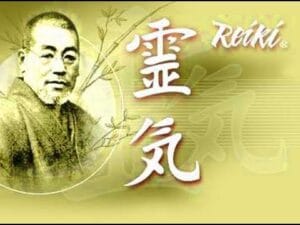 A trained master healer helps create a quiet, restful space for you.
Frequently Asked Questions About Reiki
What is Reiki in simple words? ⌄
Reiki is a gentle Japanese relaxation method where a healer rests hands lightly on or near you to help calm stress and balance your natural energy.
What happens during a session? ⌄
You lie down or sit comfortably while fully clothed. The room is quiet and peaceful, and the practitioner uses gentle hand positions to help you deeply rest.
What are Reiki Symbols used for? ⌄
They are sacred teaching reminders taught in class. They help practitioners focus their minds on strength, harmony, and distance prayer.
How do I choose the best practitioner near me? ⌄
Look for good training, clear fees, kind answers, and honesty. A good healer always respects your comfort and supports your medical healthcare.
What is Crystal Reiki Healing? ⌄
It combines gentle touch with natural crystals. The stones add peaceful colors and symbolic meaning to help you focus during prayer.
Does Reiki replace my regular doctor visits? ⌄
No. Reiki is a spiritual wellness practice. It supports your peace of mind but never takes the place of hospital care or medical doctors.
Explore Our Complete Energy Healing Services
Discover more wonderful ways SatGuru Mandalas Energy Healing Services can bring peace, health, and happiness into your family:
DNA Voice Scanning
Find out the exact spiritual root causes behind life and career blocks right over a private phone call.
Learn About DNA Voice ScanningDistant Water Therapy
Infuse your drinking water bottle with sacred prayers and mantras for quick pain relief and peace.
Learn About Distant Water TherapyDivine Energy Healing
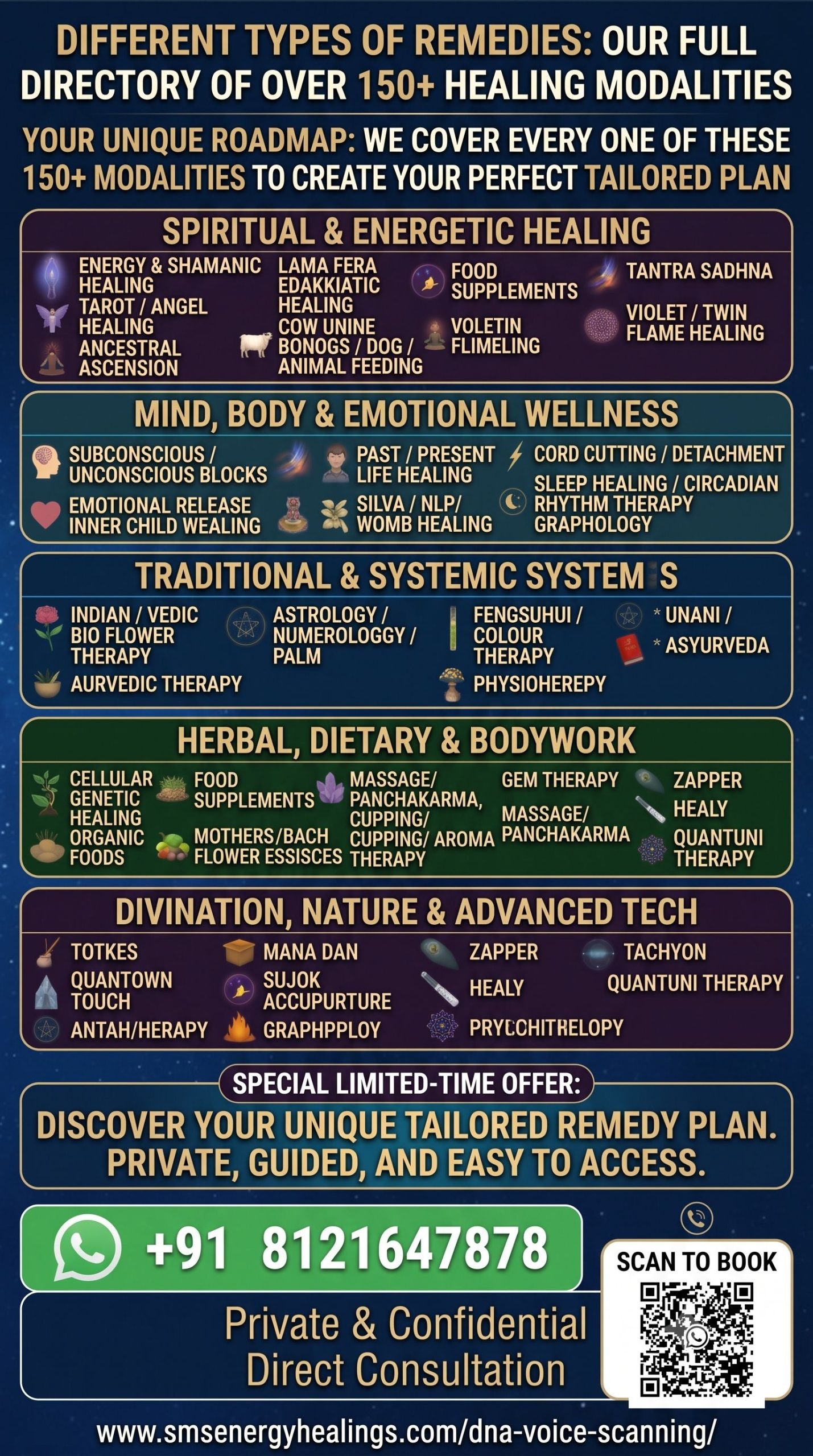
Clear deep emotional clutter, soothe karma, and refresh your vital energy with over 150+ healing traditions.
Learn About Divine Energy HealingBusiness Energy Healing
Clear financial hurdles, refresh your workplace, and invite peaceful commercial success.
Visit Business Energy HealingBook Your Private Reiki Session Today
Take a gentle step toward quiet rest, clear thoughts, and inner joy. Connect with our caring team to schedule your personalized session.
Direct Phone Consultation: +91 81216 47878
Community Dialogue: How Do You Find Peace When Life Gets Busy?
Have you ever felt the relaxing calm of gentle touch or quiet prayer? Which area of your life—deep rest, peaceful feelings, or clearer focus—do you want to refresh most? Share your thoughts below to join our community conversation!
Dhan SatGuru Dev



What’s up friends, its impressive post concerning cultureand completely defined, keep it up all the time.
It’s amazing for me to have a web site, which is good for my know-how.
thanks admin
Comments are closed.